Sportsmen for the Ruby Mountains
“Sportsmen for the Rubies endeavors to preserve the sporting heritage, wildlife habitat, and public access to the wild spaces of the Ruby Mountains—the foundations of resilient communities, healthy ecosystems, and thriving economies in Elko County and northeastern Nevada.”
The Crown Jewel of Nevada’s Hunting and Fishing Heritage
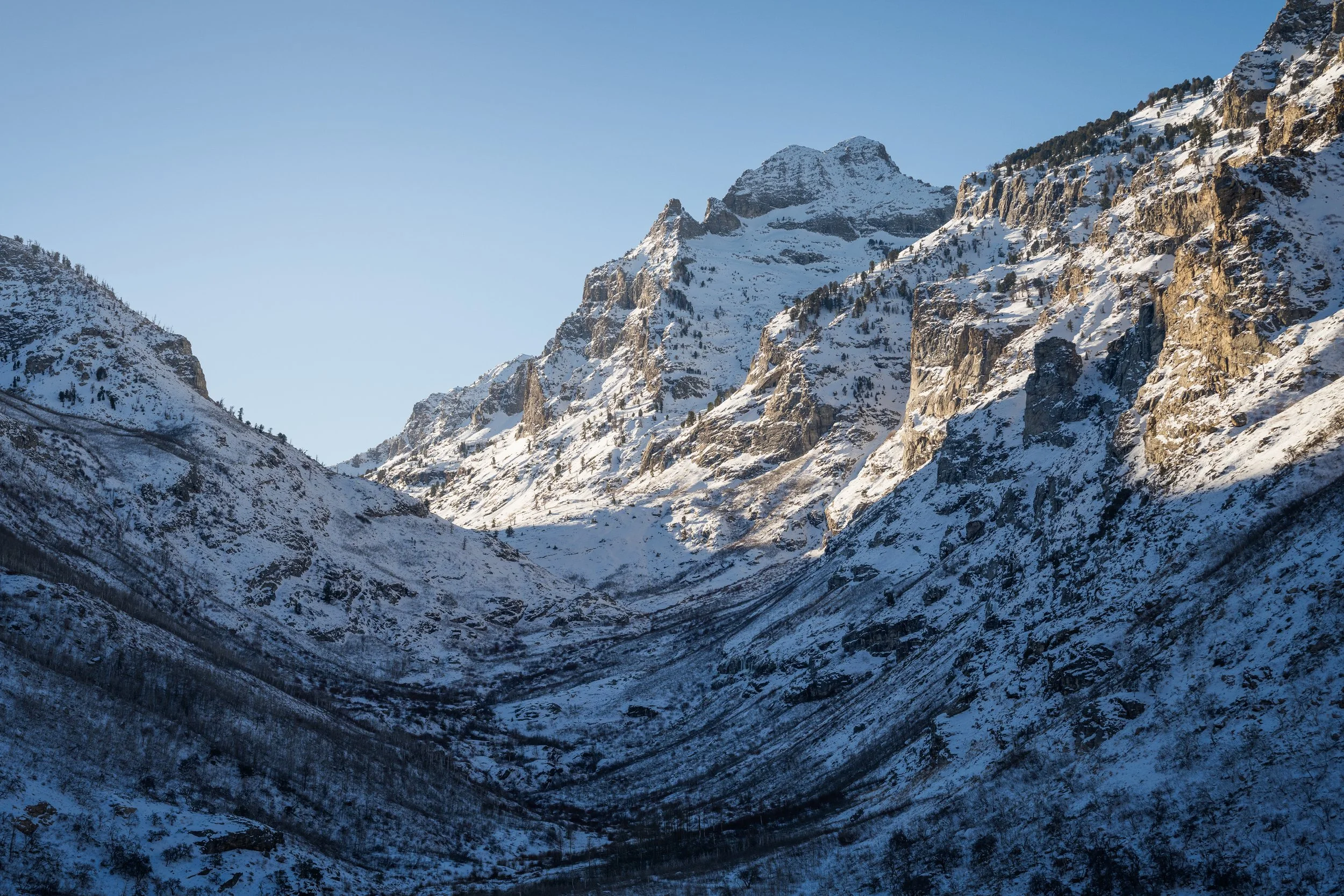
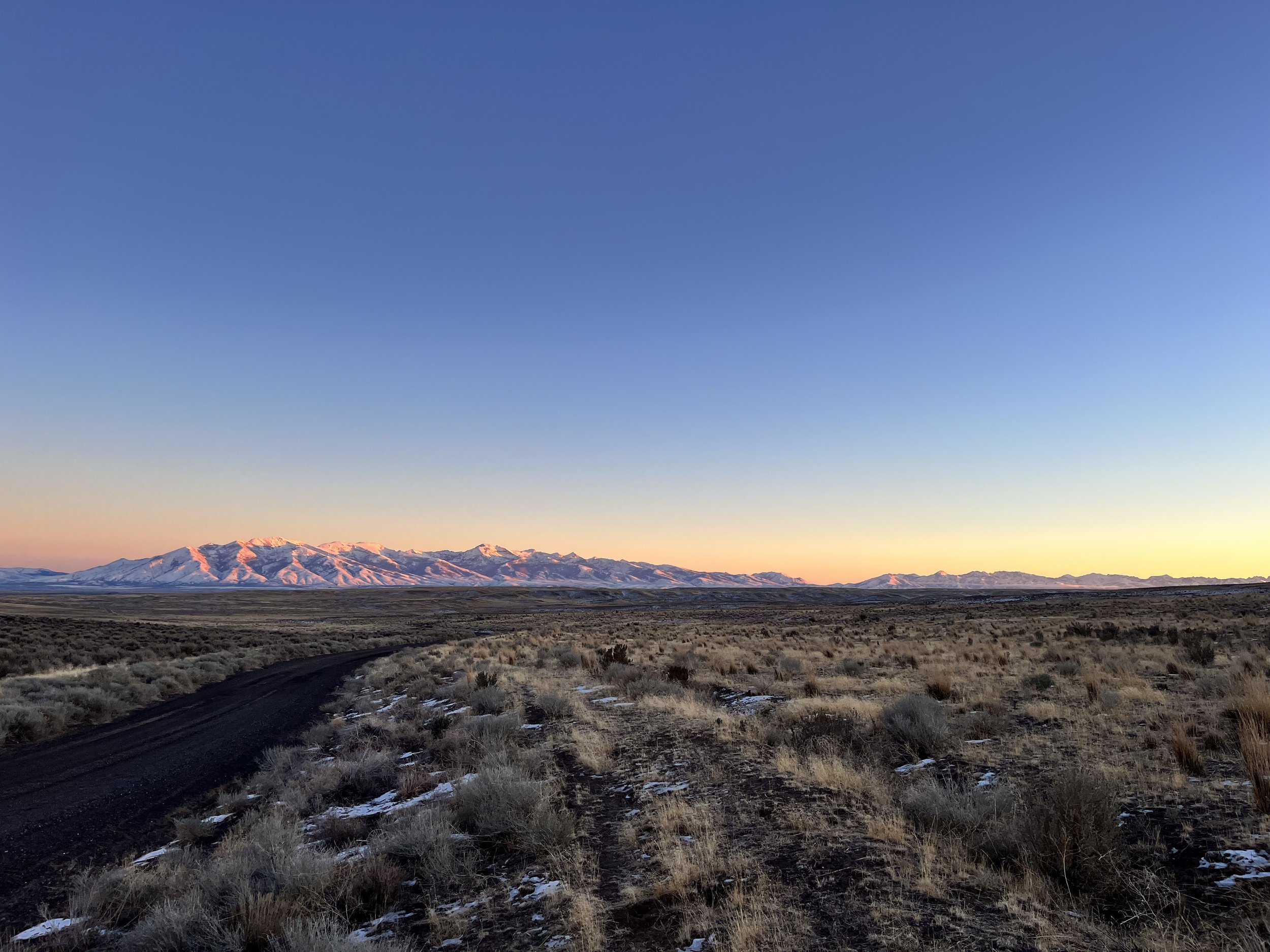
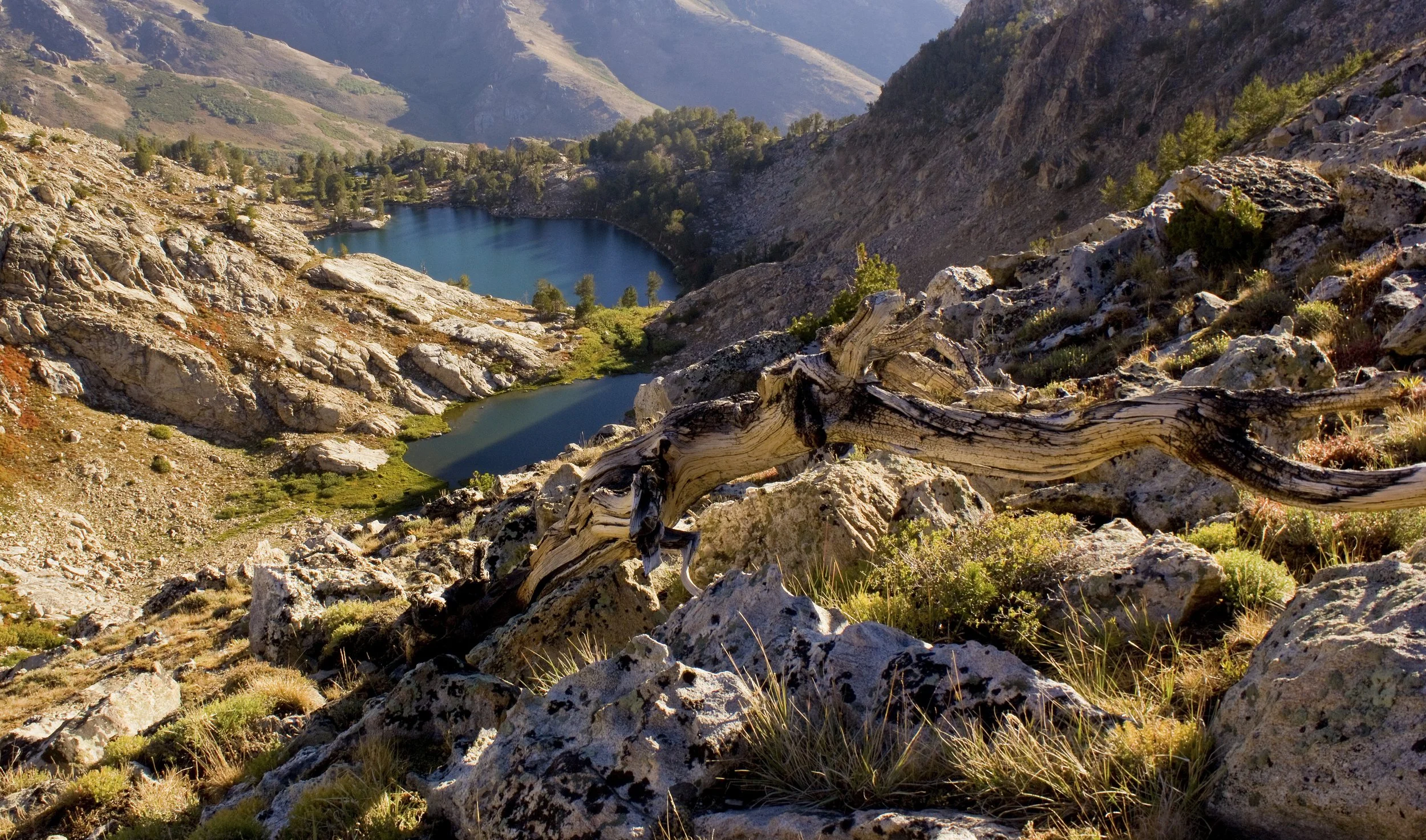
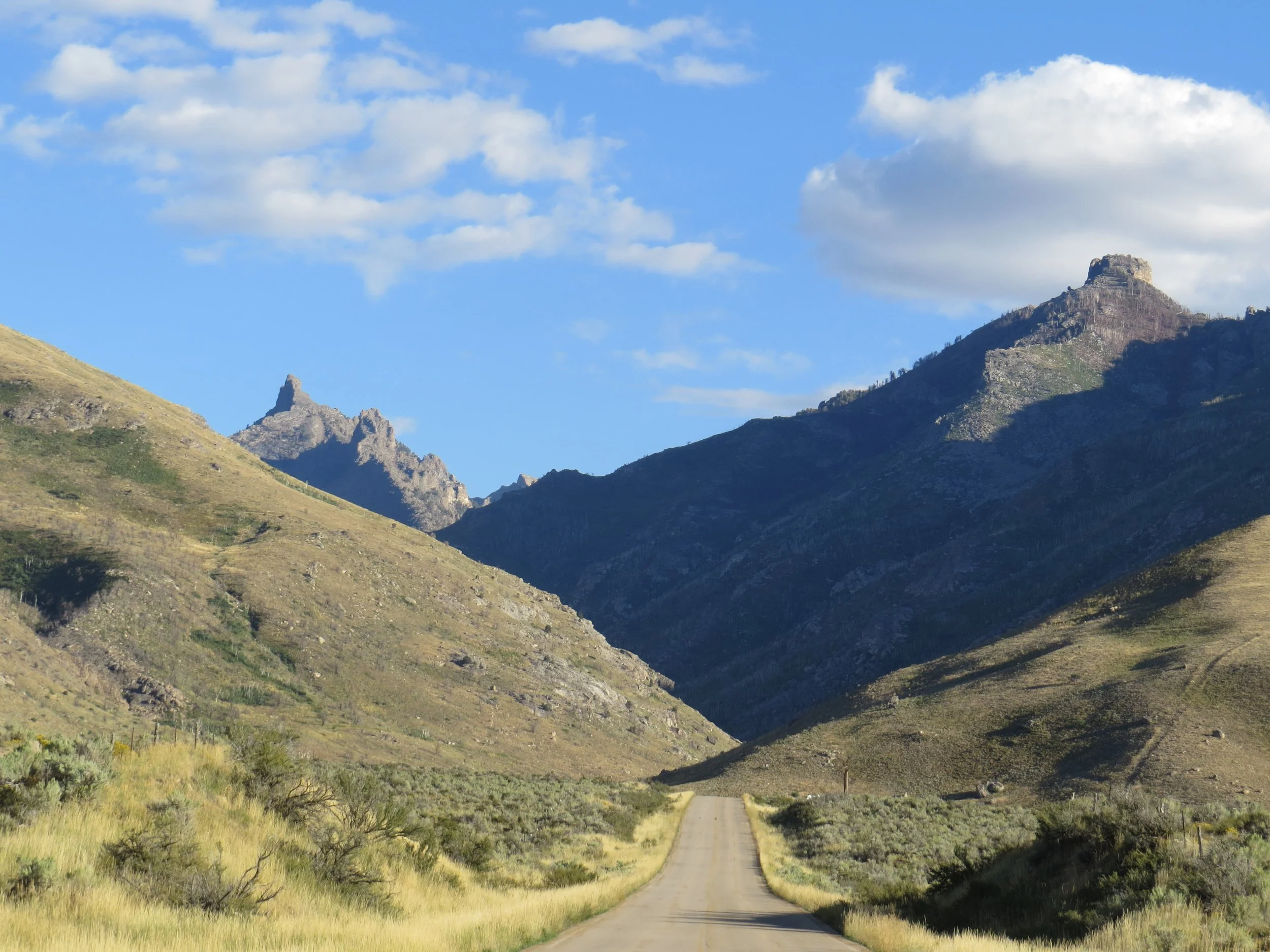
The intact habitat of the Ruby Mountains and the Ruby Valley are an ecological and recreational treasure, made up of many ecotones that support an abondance of wildlife. Stretching for nearly 100 miles in Northeast Nevada. With ten peaks higher than 10,000 feet, intact alpine, subalpine, and sagebrush habitats, and considerable snowfall feeding the watersheds of the Humboldt River and marshes of the Ruby Lake National Wildlife Refuge, this high desert landscape in Northern Nevada offers hunters, anglers, and outdoor recreationalists innumerable and unique opportunities.
These iconic mountains in Elko and White Pine County also support numerous freestone streams and alpine lakes. Five different wild trout species can be found throughout the range, including the Lahontan Cutthroat, the largest subspecies of cutthroat trout and Nevada’s state fish.
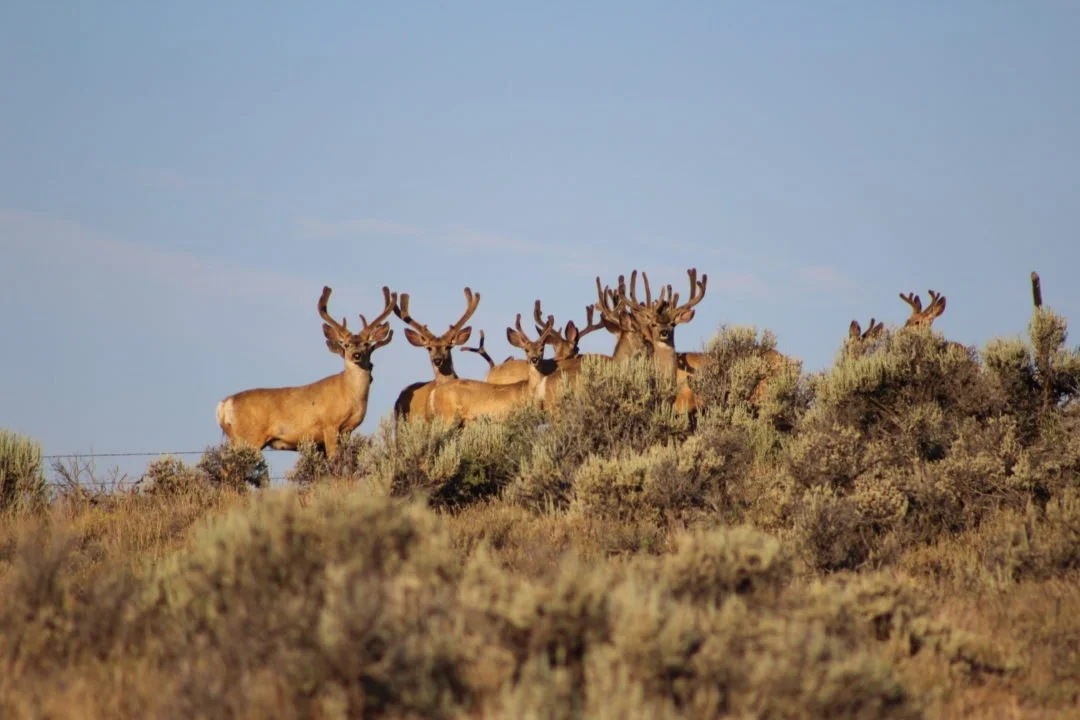
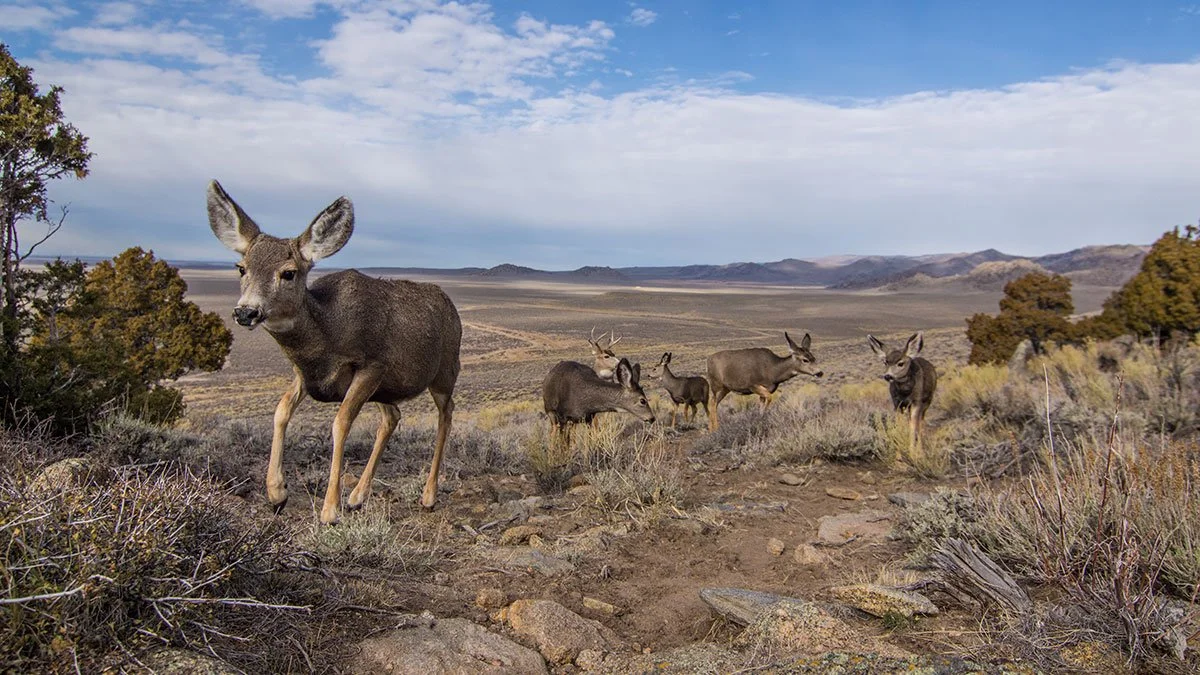
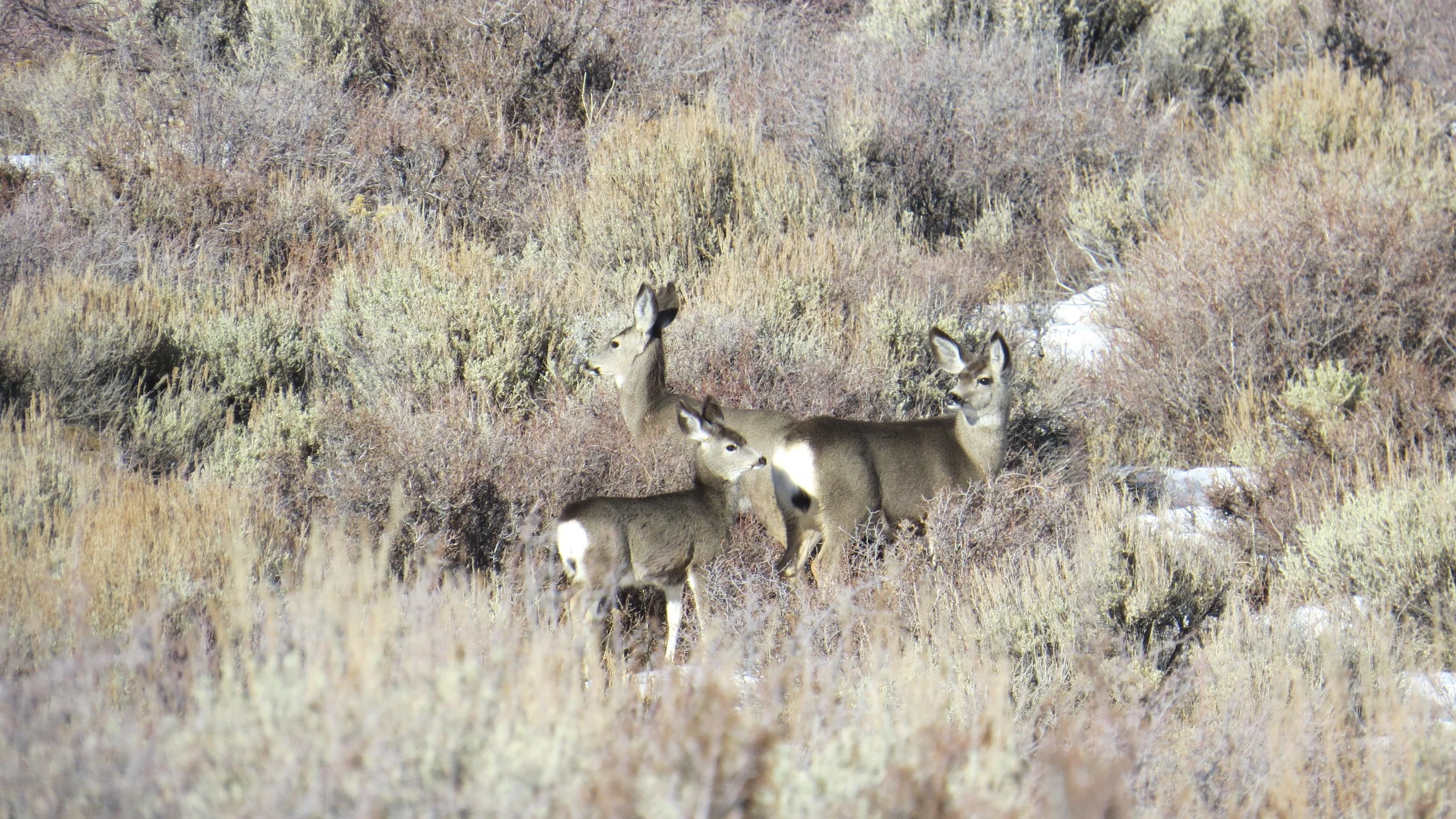
The Rubies are one of the West’s legendary hunting destinations. home to Nevada’s largest herd of mule deer, the rubies support their annual migration from summer range in the high country to winter range in the sagebrush-covered foothills below.
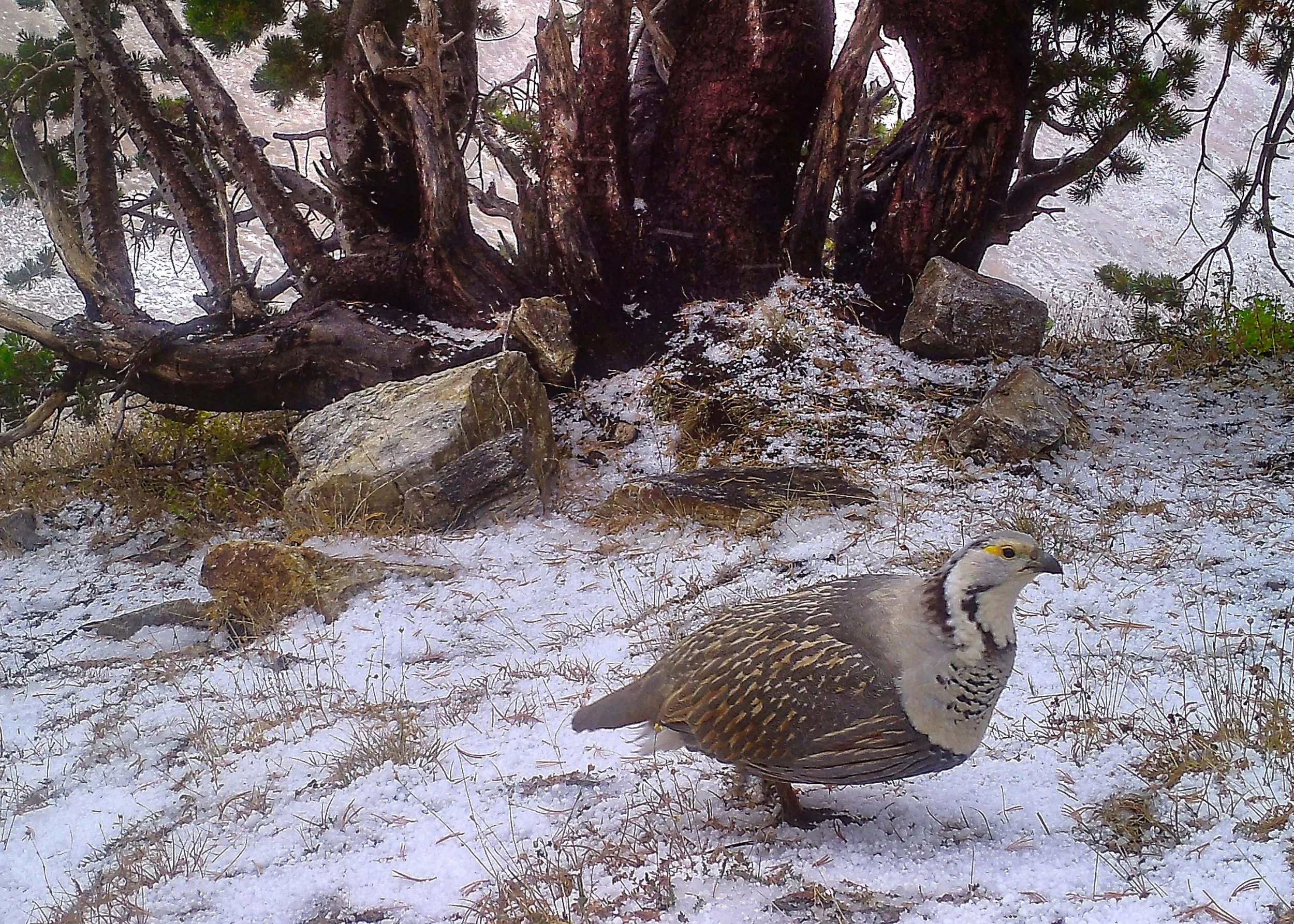
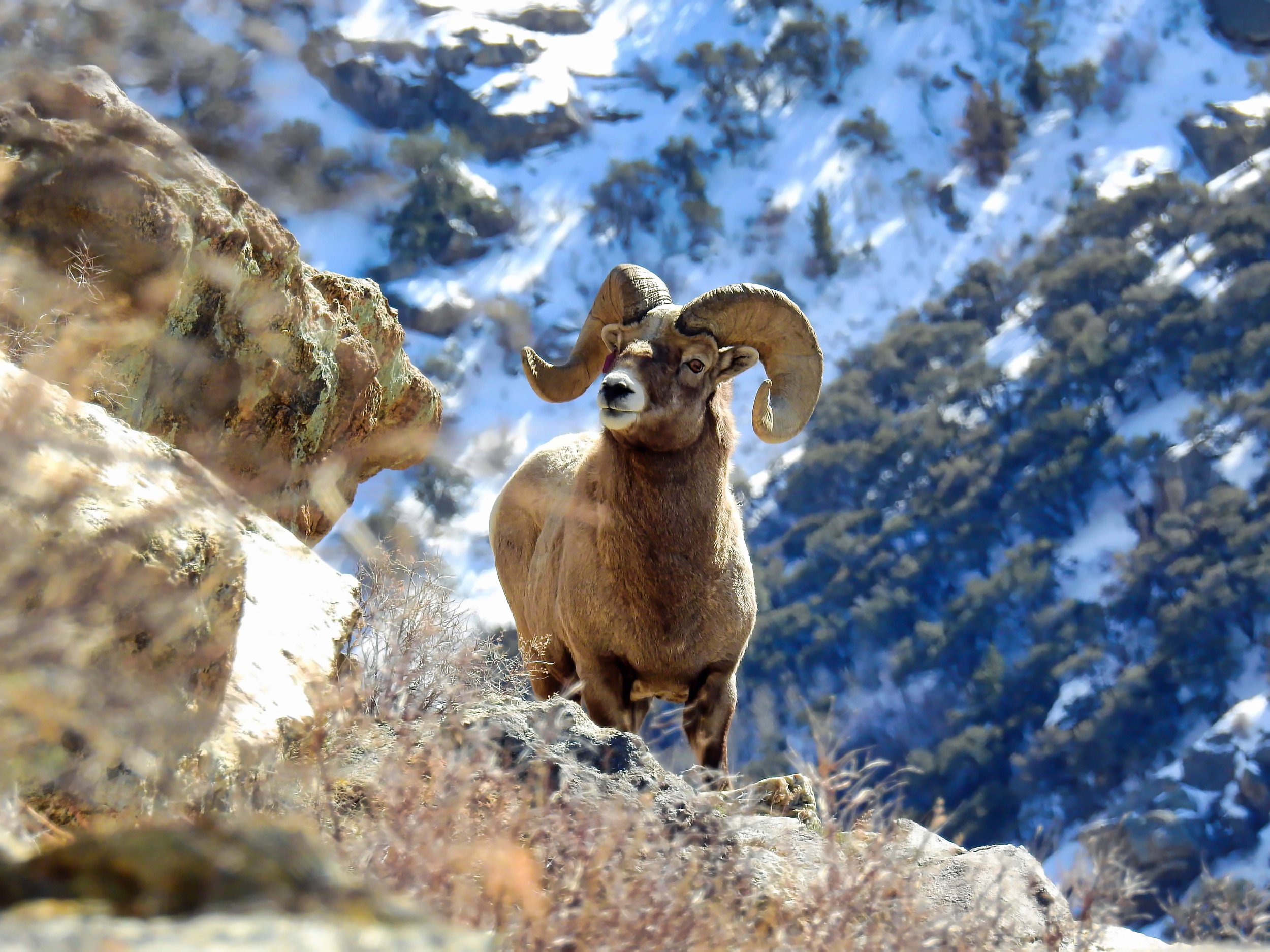
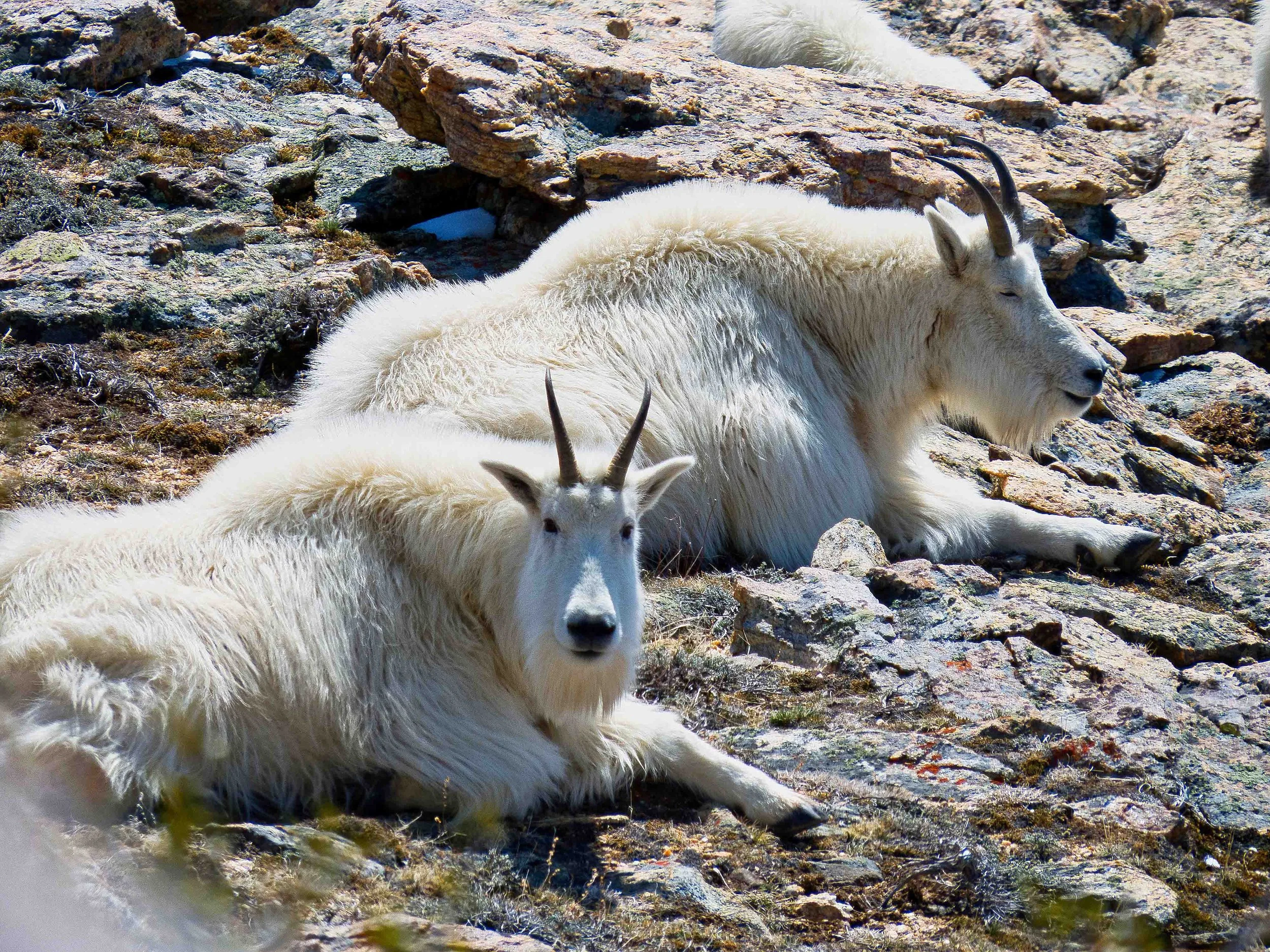
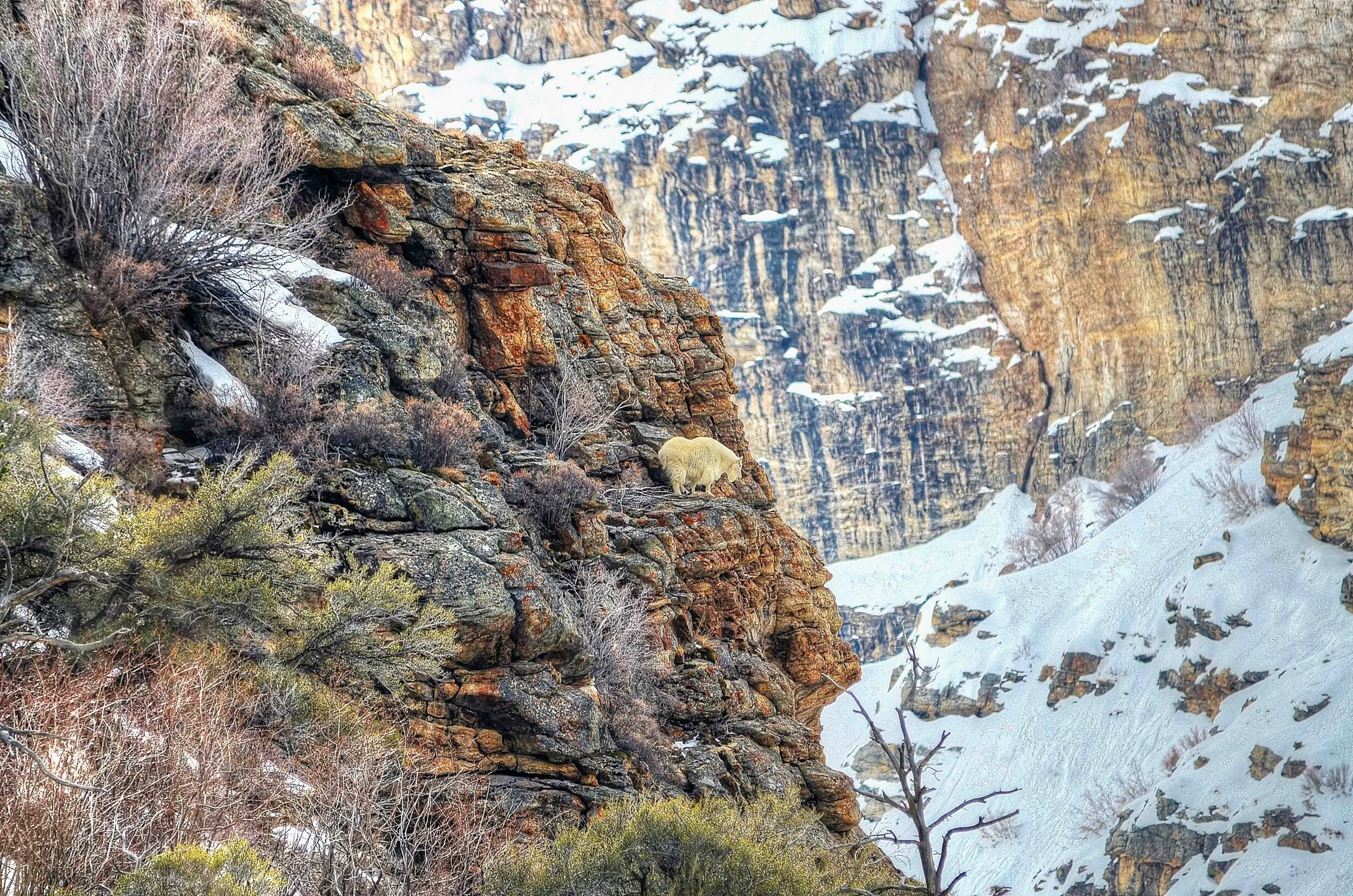
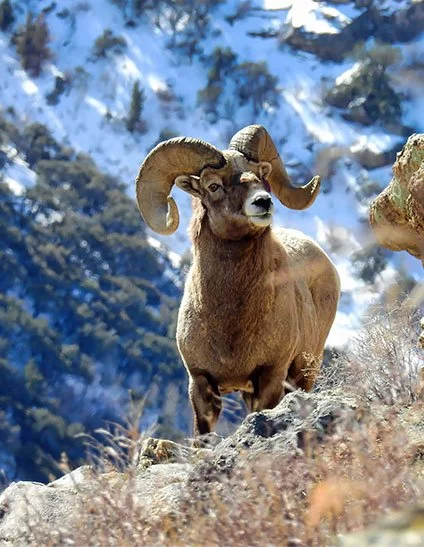
The Rubies are the only place in Nevada where mountain goats, bighorn sheep, elk, mountain lion, Himalayan snow cock, Hungarian partridge, chukar, ruffed grouse, dusky grouse, and sage grouse can be found in a single mountain range.
These invaluable hunting, fishing, and outdoor recreational opportunities are why 32 organizations and thousands of hunters and anglers have formed the Sportsmen for the Rubies Coalition; To conserve high-quality habitats from potential fragmentation and degradation from oil and gas development.
Sportsmen for the Rubies endeavors to preserve the sporting heritage, wildlife habitat, and public access to the wild spaces of the Ruby Mountains—the foundations of resilient communities, healthy ecosystems, and thriving economies in Elko County and northeastern Nevada.
“This incredible landscape supports all kinds of wildlife and alpine lakes that hold fish such as the native Lahontan cutthroat trout.
High on the mountain peaks, you may find mountain goats, bighorn sheep, Himalayan snowcocks, and even the occasional pika.
Lower down the mountains, there are herds of mule deer and elk, as well as a growing population of Shiras moose, the newest game species to be found on the Nevada landscape.”
Dallas Hatch, Backcountry Hunters & Anglers
the Impacts of oil and gas Exploration
the Ruby Mountains are an ecological keystone for fish, wildlife, and Recreation
Interest in oil and gas exploration in the Ruby Mountains would negatively impact fish and wildlife. Oil and gas development could lead to habitat fragmentation and limit public access, resulting in decreased sporting and recreational opportunities in and around the Rubies.
Energy infrastructure development on migration corridors and winter range for mule deer has a direct, measurable impact on the health of a herd, including reduced reproductive rates, poor body condition, higher winter mortality, and fewer overall deer on the landscape.
In Wyoming, studies have reported herd populations declining by as much as 36% during a period of energy development, and those areas saw a significant associated reduction in the deer harvest by hunters. These studies indicate that the avoidance behavior of mule deer combined with the impacts of energy development have long term effects on population abundance by displacing animals and reducing the amount of available habitat.
Importantly, even if parcels were to be developed, it is unlikely that highly productive, profitable, oil and gas wells would be realized.
Despite the wide agreement among industry leaders of low oil and gas potential in the Rubies, there remains a strong desire for oil and gas develop in the region even though areas of high potential oil and gas within the state offer much greater potential. Additionally, these areas are in locations that exhibit far less wildlife values, habitat, and recreational oppertunities making them more suitable for development.
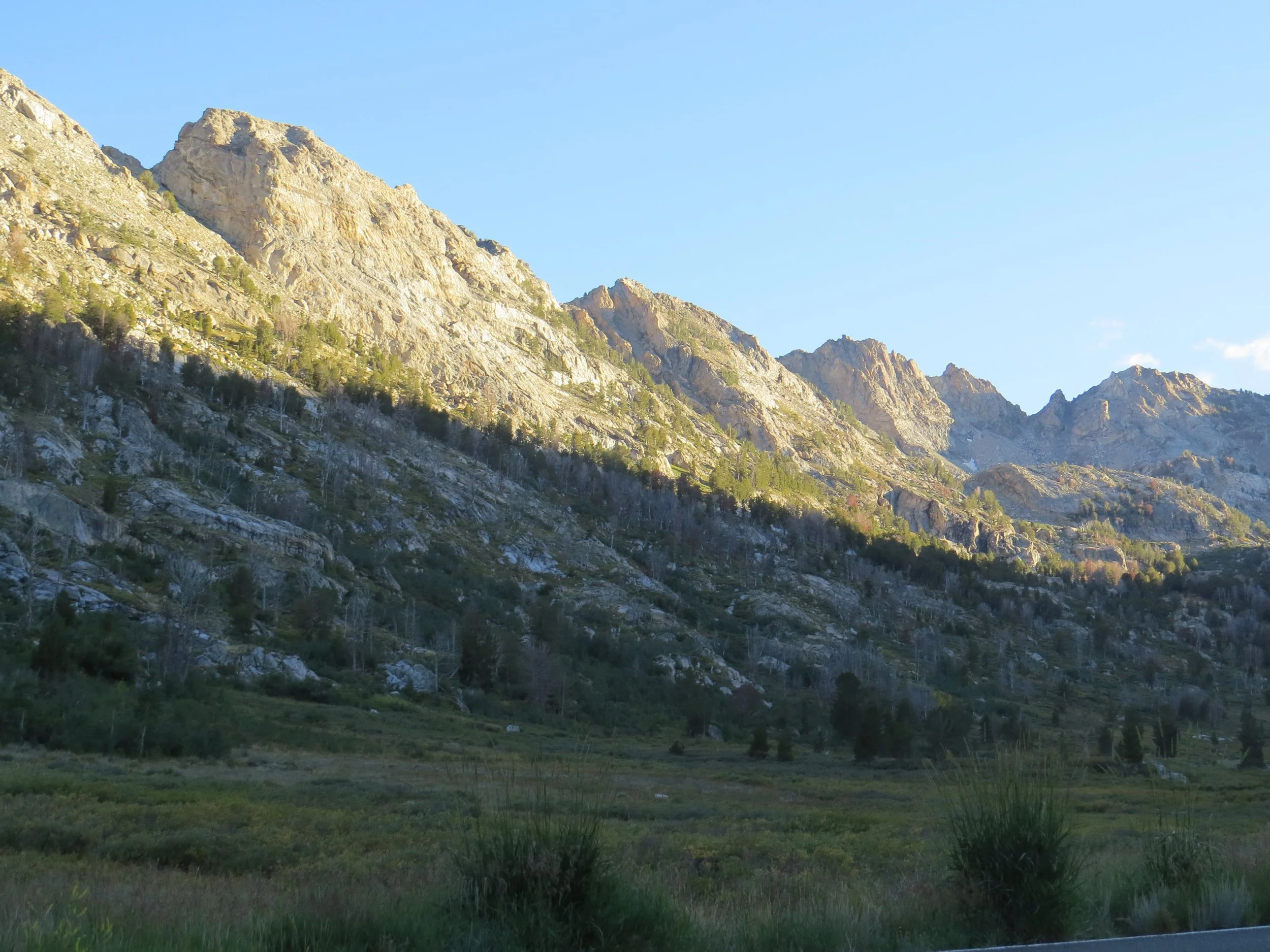
“The Rubies have always been among Nevada’s Crown Jewels for sportsmen and our wildlife resources.
The Rubies are richly deserving of all protections possible”
Larry Johnson, Founder and President Coalition for Nevada’s Wildlife, Director Nevada Outdoorsmen in Wheelchairs, Past President of Nevada Bighorns Unlimited.
Oil and gas development has its place in Nevada, that place is not the Ruby Mountains!
interactive Arc-GIS Map of the Ruby Mountains
turn layers on or off to demonstrate the low geological potential of oil and gas development, while highlighting the real ecological value of the Ruby Mountains and this unique landscape
This interactive map highlights the limited geological potential of oil and gas in the region verses the true value of the Ruby Mountains vibrant wildlife, ecological resources, and exceptional recreational opportunities. This map also illustrates the migration routes of one of Nevada’s largest mule deer herds including their use of seasonal habitats.
A short History of Oil and gas leasing in the rubies
In late 2017 the first expression of interest (EOI) was proposed to allow oil and gas exploration leasing on 53,000 acres of U.S. Forest Service land in Nevada’s Ruby Mountains.
A groundswell of public opposition formed in response. When the public comment period opened, 13,364 individuals and organizations spoke up for the Ruby Mountains and against the oil and gas development in and around the ruby Mountains.
In 2019, the Forest Service issued a no-leasing decision on the request.
However, within days of that decision, expressions of interest were filed on an additional 88,000 acres, many of which were parcels that had just been denied by the Forest Service.
It was clear whoever was behind the leasing push was not going to go quietly. The threat of oil and gas exploration in this unique landscape was a real and lasting potential.
Due to grassroots opposition Sen. Catherine Cortez Masto (D-NV) collaborated with sportsmen conservation groups and introduced legislation to permanently withdraw the Ruby Mountains and the East Humboldt Mountains from leasing for oil and gas development. Shortly after Senator Jack Rosen (D-NV) Co-sponsored the Ruby Mountains Protection Act.
Additionally, Congressional Rep. Mark Amodei (R-NV) introduced a companion bill in the House of Representatives to protect the Rubies, making the preservation of the Ruby Mountains a bipartisan initiative.
Seeing the need to get interim protections on the ground while a permanent solution attempts to advance in Congress, Sens. Cortez Masto (D-NV), Jacky Rosen (D-NV), and Rep. Mark Amodie (R-NV) took steps to secure a 20-year administrative withdrawal from oil and gas leasing in the Ruby Mountains.
This effort initially succeeded but was ultimately rescinded in April 2025, placing the Ruby Mountains in a two-year withdrawal period that will end in late 2026.
The curent status of the Ruby Mountains Protection Act
After the rescinding the mineral withdrawal, passage of the Ruby Mountains Protection Act remains our best opportunity at permanently protecting the Rubies from oil and gas leasing.
Sen. Cortez-Masto and co-sponsor Sen. Rosen’s version of the RMPA was reintroduced in the Senate on April 8, 2025, and in February or 2026 the bill was referred to the Senate Committee on Energy and Natural Resources but has not yet advanced out of committee.
Congressman Amodei has expressed his support for the bill and plans to reintroduce a standalone companion RMPA bill in the House in 2026.
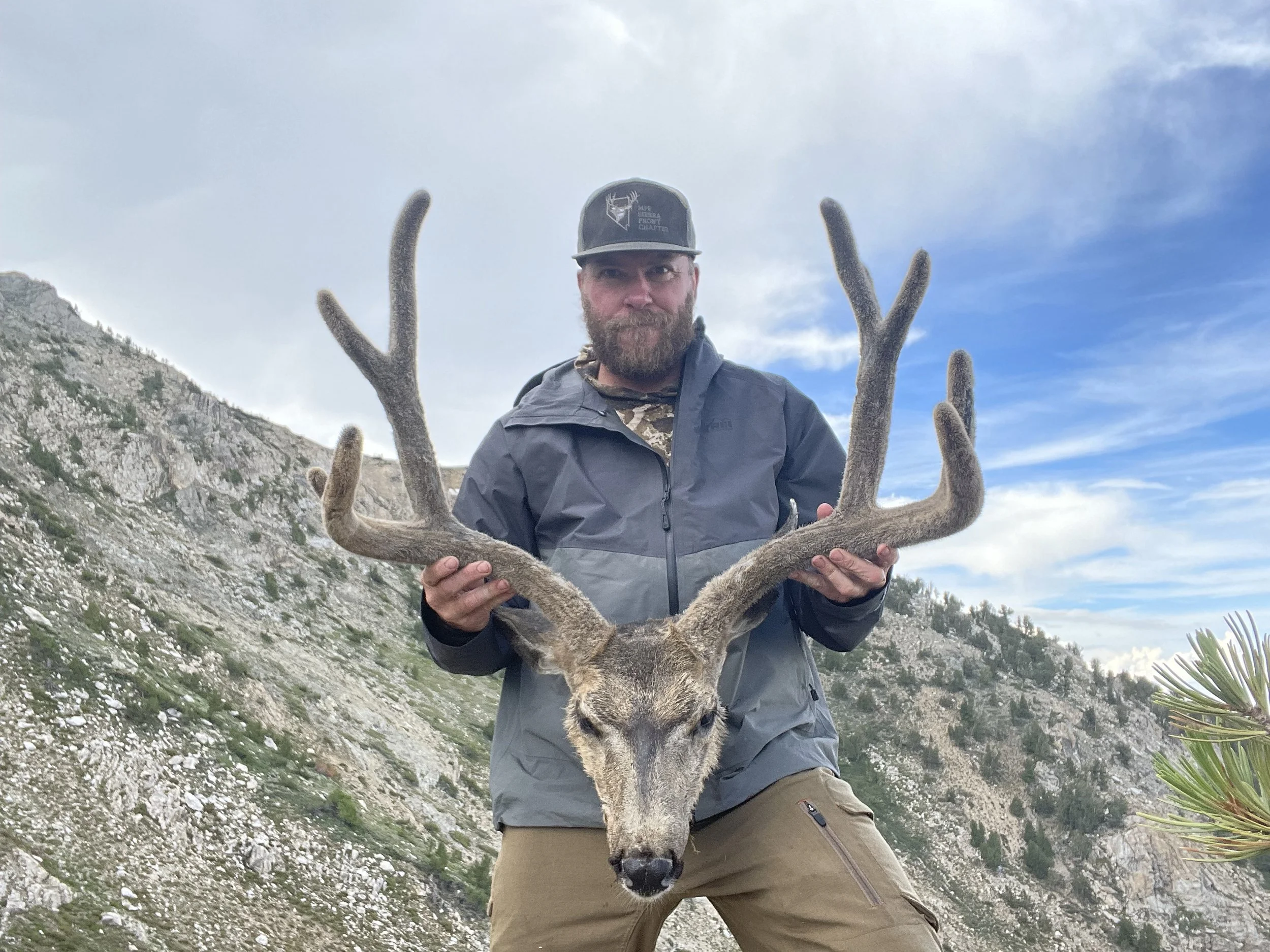
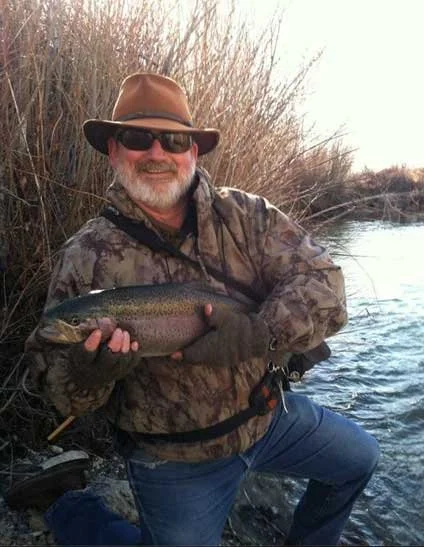
“To find the riches of the Ruby Mountains all you have to do is look around at first light from your favorite glassing spot. The true wealth of the Ruby Mountains is on the winding deer trails and carved into the bark of old aspen groves. It’s right there in plain sight, not buried and hidden beneath them.”
Kris Coston, Nevada Field Representative, Theodore Roosevelt Conservation Partnership
Economic impacts of outdoor recreation in the Rubies
Hunting and angling are significant contributors to the local economy. According to updated figures provided by the Sportsmen's Alliance, hunting contributed nearly $320 million into Nevada’s gross domestic product. Much of this impact being focused in rural areas, like Elko County and is detailed in The Economic Impacts of the Ruby Mountains on Elko County.
Outdoor recreation is now the second largest contributor to Nevada’s gross domestic product as detailed in the new report released by the Nevada Division of Outdoor Recreation. Outdoor recreation is a significant economic engine, generating billions in economic output and supporting over 75,000 jobs across Nevada and the Tahoe Basin, stimulating nearly $14 billion of economic activity. The report also highlights outdoor recreation’s unique role as a catalyst for economic diversification: nearly 40% of the sector’s benefits are realized in rural counties, promoting widespread prosperity across the state. The Ruby Mountains are an economic powerhouse for outdoor recreation, generating millions of dollars annually for Elko County and Elko County businesses.
Beyond the recreational opportunities the Ruby Mountains are a vital watershed for the surrounding area and local communities. They are essential to the agricultural and ranching communities in Elko County and to the municipal water supply including domestic, residential, and community wells.
The foothills and valleys surrounding the Ruby Mountains make up some of Nevada’s best grazing and farming lands sustaining generations of Nevadans. There are over 437 ranches and farms with nearly 2 million acres of pastures, crops, and agricultural lands in Elko County generating over $89 million dollars annually. Ranchers, farmers, residents, hunters, anglers, and outdoor recreationalists alike depend on the pristine nature of the Ruby Mountains for clear, clean, water.
Outdoor recreation and Access
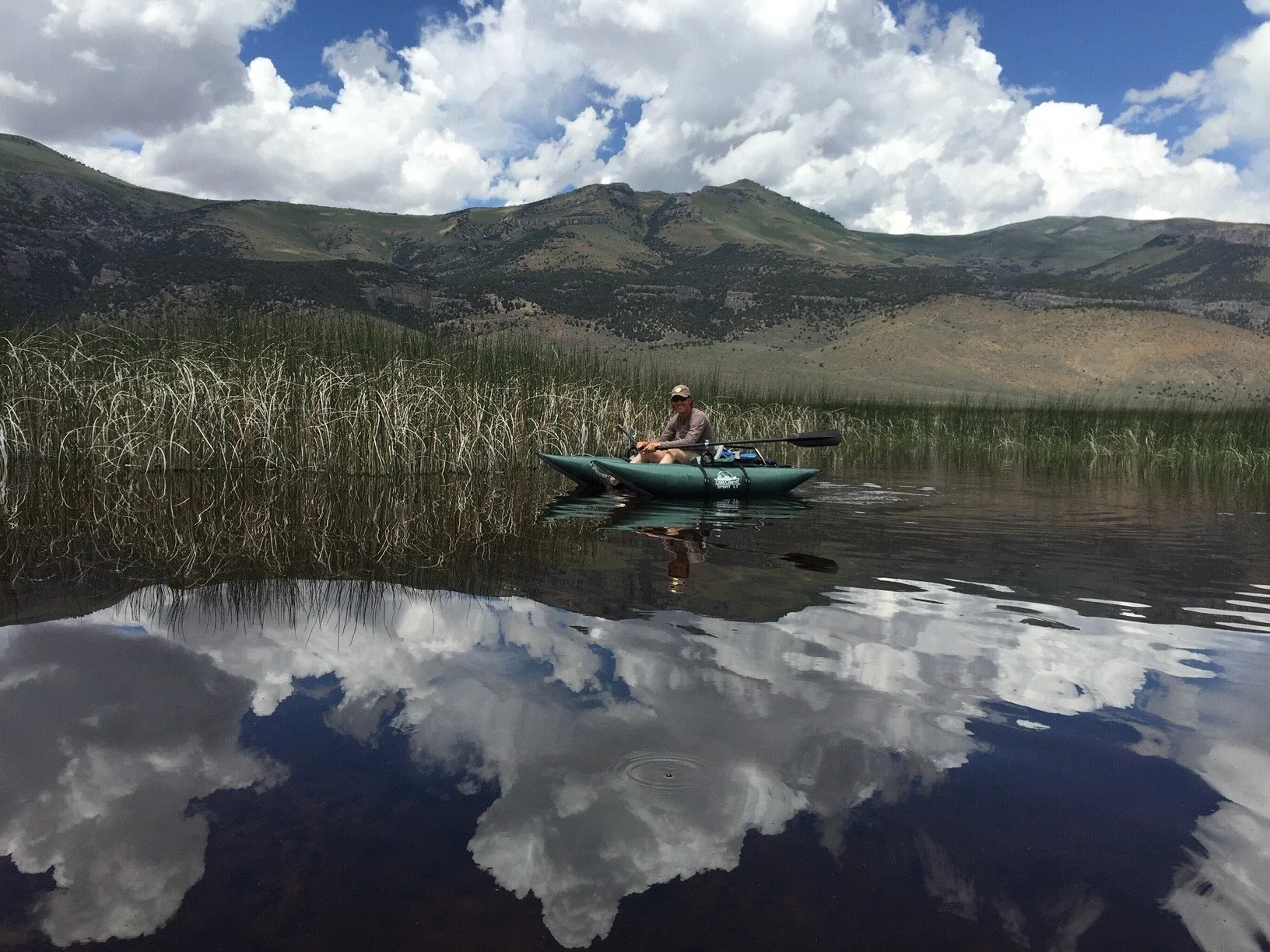
In addition to hunting and fishing values, the Rubies are also frequently used by hikers, backpackers, backcountry skiers, campers, equestrians, rockhounds, off road enthusiasts, star gazers, dark sky advocates, and a wide variety of other outdoor recreationalists.
Access to the Rubies can be limited due to private property boundaries and the rugged nature and terrain of the Ruby Mountains. Maintaining public access is crucial to outdoor recreationalists and the outdoor recreation economy of Elko County.
When oil and gas leases are sold public, public access often halted or severely restricted. The majority of parcels previosly available for oil and gas leasing were located in and around the Harrison Pass, which has the greatest concentration of public access points to the Ruby Mountains.
Public access and recreational opportunities are key aspects to preserving this truly unique area. Our experiences in the wild and untamed backcountry of the Rubies fuels our passion, inspires anyone who experience the grandeur of the range and drives us to keep them accessible to anyone who appreciates the great outdoors and this truly special place.

Join Our Cause and voice your support for the Ruby Mountains
Below is a list of current supporters:
Governments
Elko Band of the Te-Moak Tribes
Battle Mountain Band of the Te-Moak Tribes
Decision makers
Sen. Catherine Cortez Masto (D-NV)
Sen. Jacky Rosen (D-NV)
Rep. Mark Amodei (R-NV)
Gov. Joe Lombardo (R-NV)
USFS, Humboldt-Toiyabe National Forest, Ruby Mountain Ranger District
BLM, Elko District Office
Elko County Commissioners
Organizations
Backcountry Hunters and Anglers, Nevada Chapter
Coalition for Nevada’s Wildlife
Elko Bighorns Unlimited
Fraternity of the Desert Bighorn
Nevada Bighorns Unlimited
Nevada Bighorns Unlimited, Fallon Chapter
Nevada Bighorns Unlimited, Midas Chapter
Nevada Chukar Chasers
Nevada Muleys
Nevada Sporting Dog Alliance
Nevada Waterfowl Association
Nevada Wildlife Federation
Muley Fanatic Foundation, Sierra Front Chapter
Ruby Mountain Fly Fishers
Theodore Roosevelt Conservation Partnership
Trout Unlimited
“From the iconic big game species such as the mule deer and bighorn sheep to coldwater fish species and wild chukar and Himalayan snowcock, the Rubies are the crown jewel of northeast Nevada.
Hunters and anglers, bipartisan politics, and the support of these federal agencies has resulted in a decision that lays the groundwork to conserve this region for generations. And our coalition will be there every step of the way.”
Russell Kuhlman, Nevada Wildlife Federation
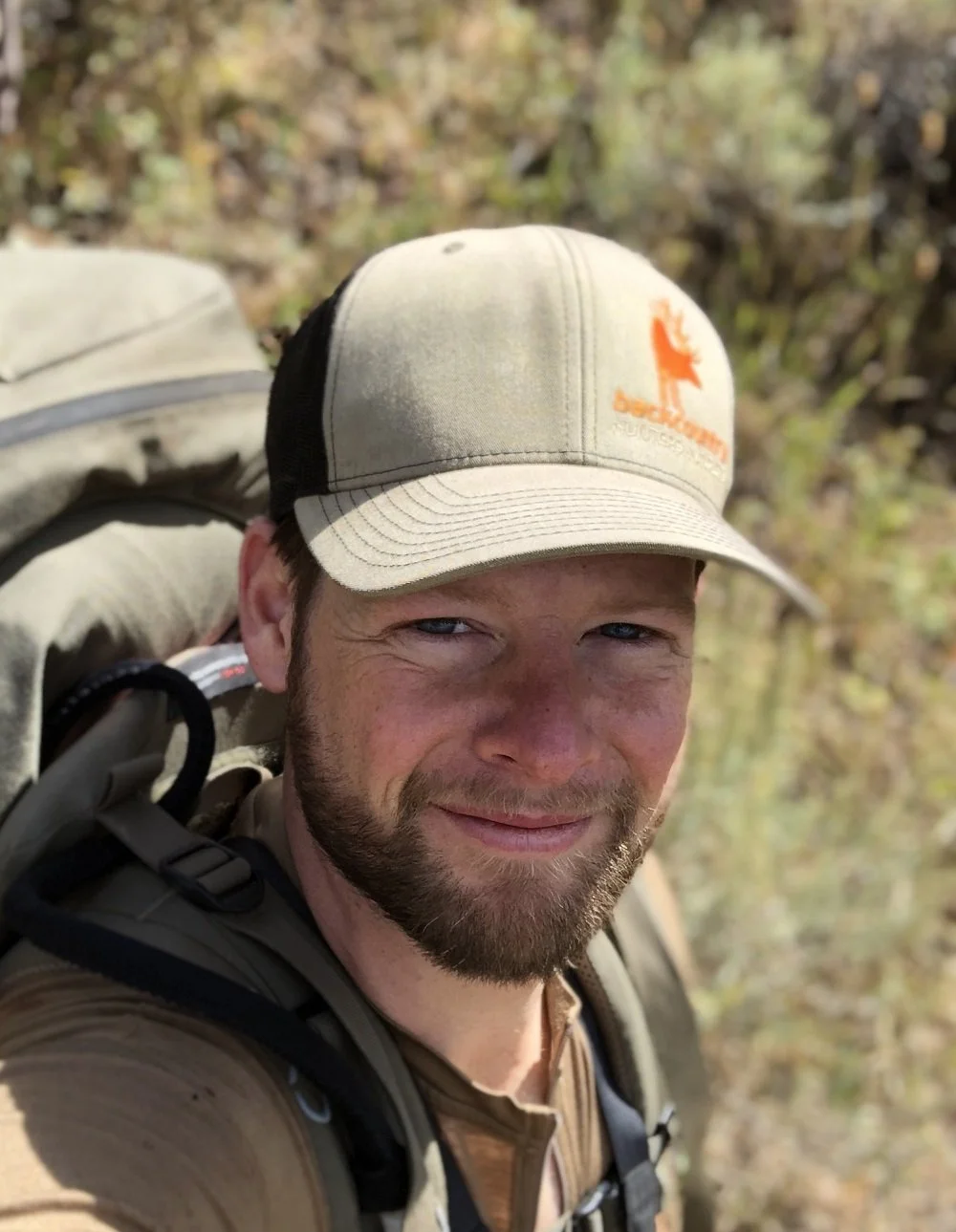
Sign our support book today to help ensure the lasting preservation of the Ruby Mountains
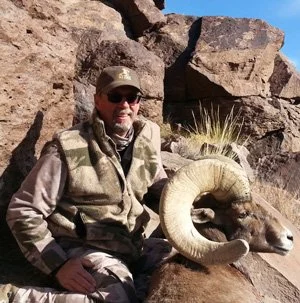
“The Rubies are one of Nevada’s most iconic landscapes. From the trophy mule deer to the native Lahontan cutthroat, this range provides hunters and anglers with coveted opportunities.”
Carl Erquiaga, Nevada Sportsmen, Director Fallon NBU
“The alpine lakes and streams in the Ruby Mountains provide high-quality habitat for trout. The Rubies are an angler’s paradise in the most arid state in the nation, and their riparian areas contribute habitat for many non-aquatic species as well.
Russ Meyer, Trout Unlimited